This may appear like a funny one… but often times when Clients are buying a property, in particular a derelict property, the question is often asked if the house is habitable or not. This has become especially relevant to home buyers throughout Galway and Mayo since the Vacant Homes Refurbishment Grant (and the Derelict Property Top-up) was introduced through the Croí Cónaithe (Towns) Fund, all of which is administered through Galway County Council and Mayo County Council.
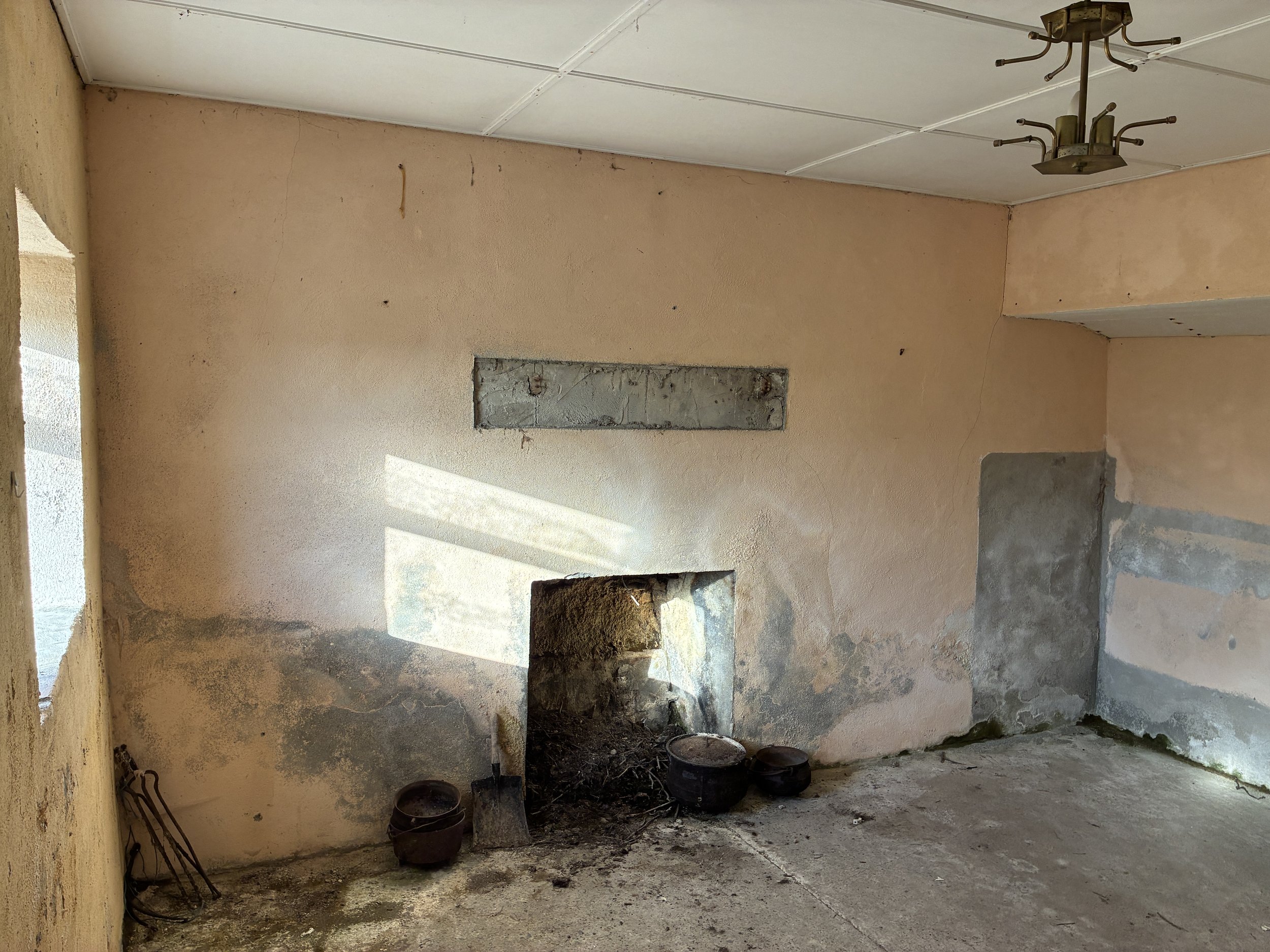
IMAGE: Is it habitable? Can you make a cup of tea?
How is ‘Habitable’ defined?
The definition of the word “Habitable”: means suitable, safe, or good enough to live in or on, according to the Merriam Webster dictionary. Under Irish law, Habitable Use is defined as a room used for living or sleeping purposes, but it does not include a kitchen with a floor area of less than 6.5 square meters. This is derived from the Building Regulations 1991 and it is also referenced in the Civil Law (Miscellaneous Provisions) Act 2022 (Part 2) (Eligible Dwelling Standards) Regulations 2022.
The building regulations does not clarify what it is for a dwelling to be habitable, other than the use of a space. So, what is suitable, safe, or good enough to live in or on has no technical parameters.
But, is the house habitable?
The spaces inside can meet the technical standards that define it as habitable space, under the Irish Building Regulations. However, we have to flip the question and look at what makes a house ‘unhabitable’ to establish what the parameters are to make the space ‘suitable, safe, or good enough to live in or on’, such as:
Cosmetic and Structural Integrity: A dwelling must be in reasonable repair and weathertight, with no cosmetic defects (such as broken exterior windows/doors, mould growth, water ingress, leaks or drafts) or structural defects (such as widespread cracking in walls, poor quality roof timbers, prominent bulges or sags in floors, walls or ceilings).
Sanitary Provisions: The dwelling must be provided with at least one room dedicated ONLY to personal hygiene that contains a working toilet, a washbasin, and a bath (or a shower), all of which are supplied with continuous cold and hot water as appropriate.
Source of Warmth: The dwelling must be provided with a fixed heating appliance in every room, that can be controlled by the occupants to maintain comfortably adequate temperatures throughout the dwelling.
Fresh Air and Natural Light: Every habitable room in the dwelling must have a window to provide natural light and a controlled means of ventilation to ensure the fresh air supply and to help prevent condensation build-up (some rooms are excluded from this item, for example hallways, bathrooms, hot press, utility room).
Food Preparation & Hygiene: The dwelling must be provided with a constant supply of clean drinking water. It must also have facilities for the storage of food (with provision to include a refrigerator) and the preparation of meals. There must be adequate drainage (for example a working sink) and there must be scope to prevent issues arising with pests and/or vermin.
Therefore, when we evaluate a house to determine if it is habitable, we first establish if the spaces meet the requirements of the Irish Building Regulations in the first instance. Then, we apply the basic logic of points 1-5 listed above, and if any one of these parameters cannot be met, we consider the dwelling as not habitable. If all parameters are met, then it is habitable!
Phew! It is a simple question, with a complex answer!
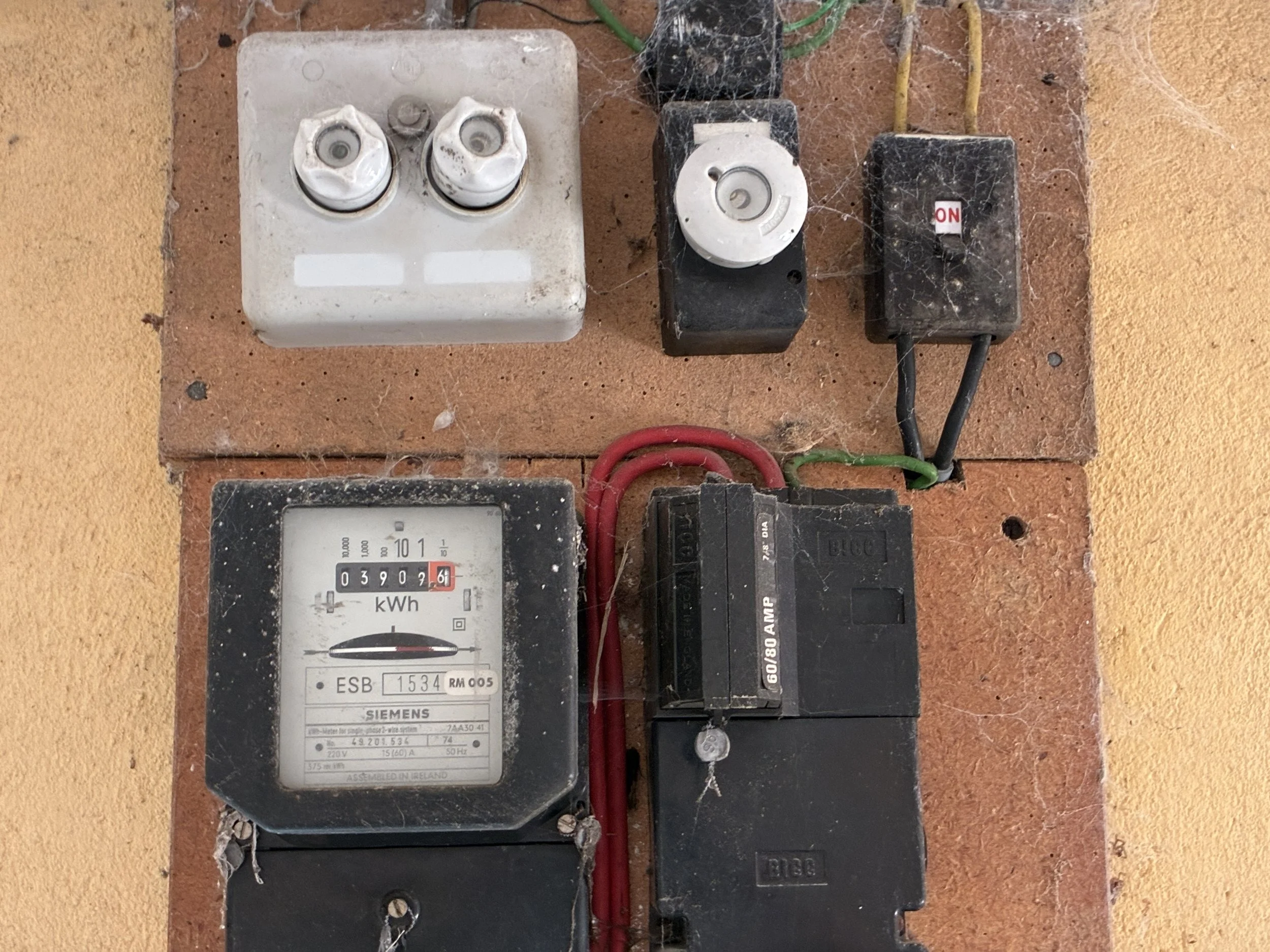
IMAGE: Can you make a cup of tea? If not, then it is not habitable!