Property Surveys of Older Houses & Protected Structures in Galway & Mayo
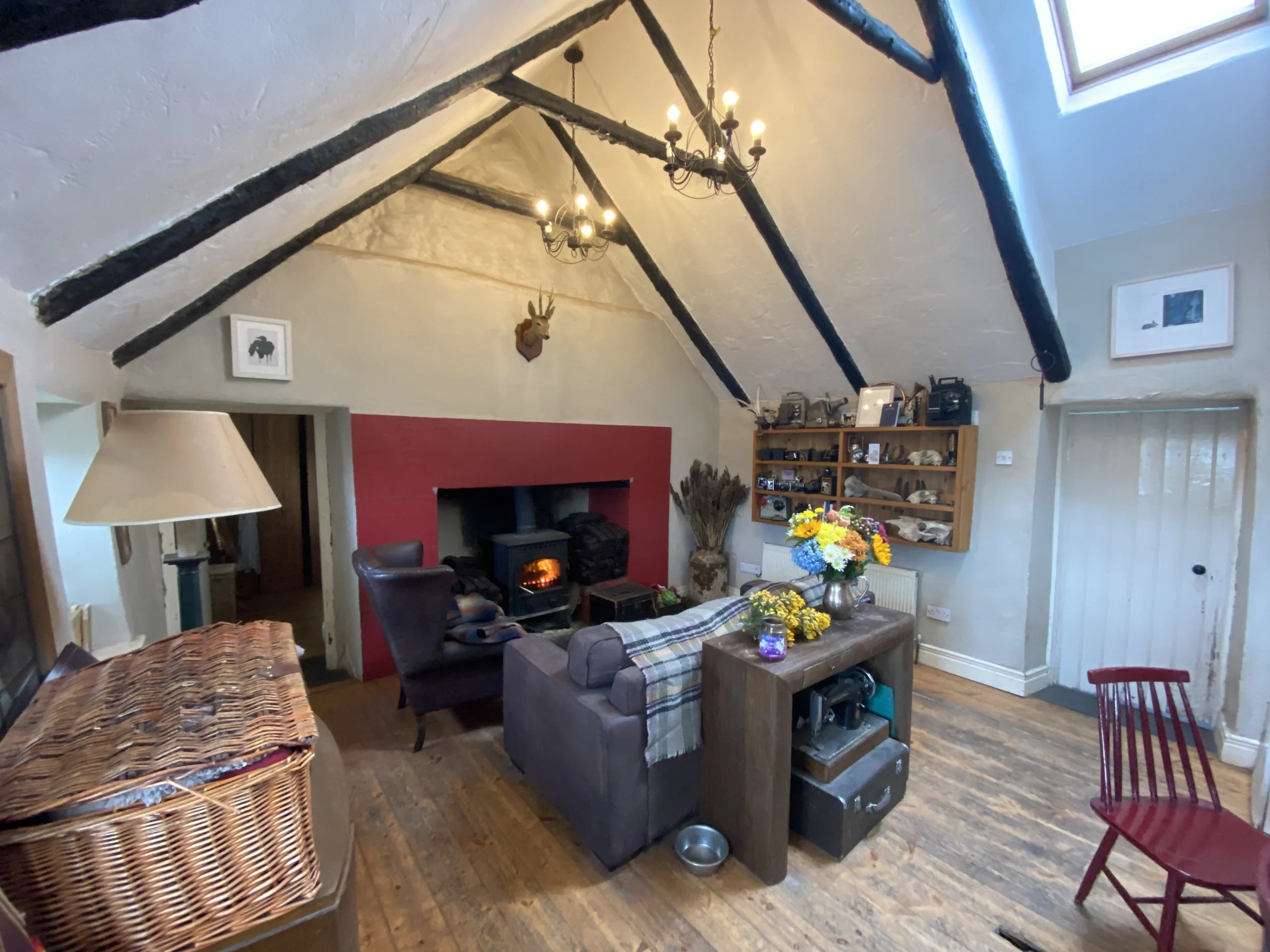
TL;DR: It is not appropriate to apply modern building solutions to older structures. It is best to revert to traditional methods when dealing with an older property. However, there can be some exceptions to this rule and that is why it is best to retain the services of www.mypropertysurvey.ie from My Engineer Ltd when having an initial assessment done. We are experienced when it comes to surveying old and protected structures!
Older and Protected Structures present different challenges when surveying. Often, the problems with such structures are what we do to them with modern intervention! Modern building methods are not suited to some older structures and intervention without consideration of the building type will likely lead to damage of the building fabric. Typically, common defects in older properties are usually the following:
Dampness - Rising Damp,
Dampness - Penetrating Damp,
Dampness - Leaks!
There is no mistake, Dampness is a fundamental problem with such older structures in Galway or Mayo. Nearly in all cases, it is modern intervention that has caused the damp. There is a fundamental misunderstanding with some protected and older structures, that the external walls are to be sealed, in order to prevent damp. Whilst logical, the enclosing of a stone wall with cement render and dry-lining will prevent it from “breathing”. Moisture can become ‘locked in’ to the external wall and trapped. This encourages rising damp through capillary action (like mercury in a tube).
Modern interventions are for modern buildings usually. Such interventions in older structures tend to forget that natural materials need to ‘breathe’. There is a current focus on energy conservation in modern building practice. Whilst this is admirable, retrospective application in older buildings is often not appropriate. Such examples include:
The use of spray foam insulations that enclose structural timber in roofs. The timber is enclosed and can then suffer from a form of dry-rot, that is brought on by the presence of low-levels of moisture trapped around the timber. The timbers may not last more than 8-15 years after the spray foam application.
Over-insulation of attic spaces and not providing any ventilation. This will contribute to timber rot and weeping of the roofing slate.
The use of modern cement renders on stone walls. Stone should ‘breathe’ and it is best to rever to traditional lime renders externally.
The use of external wrap insulation systems on old stone buildings. Again, stone should ‘breathe’ and enclosing the stone will contribute to trapped moisture and rising damp.
Air sealing an older structure. Whilst saving energy is the focus of the current building regulations, sealing such structures internally again prevents the fabric from breathing.
Removing ventilation openings in external walls. Again, it is important that older property can cross-ventilate. Modern windows and doors will also enclose the building envelope, and reduce background ventilation, so it is important that a level of ventilation be provided at minimum.
As we make progress and advances with modern building methods and systems, a lot of older traditional building methods can get lost over time. Many Local Authorities have Conservation and Heritage officers who keep a list of tradespeople that are skilled in traditional crafts (like lime plaster, thatch roofs, timber conservation and ironmongery etc).
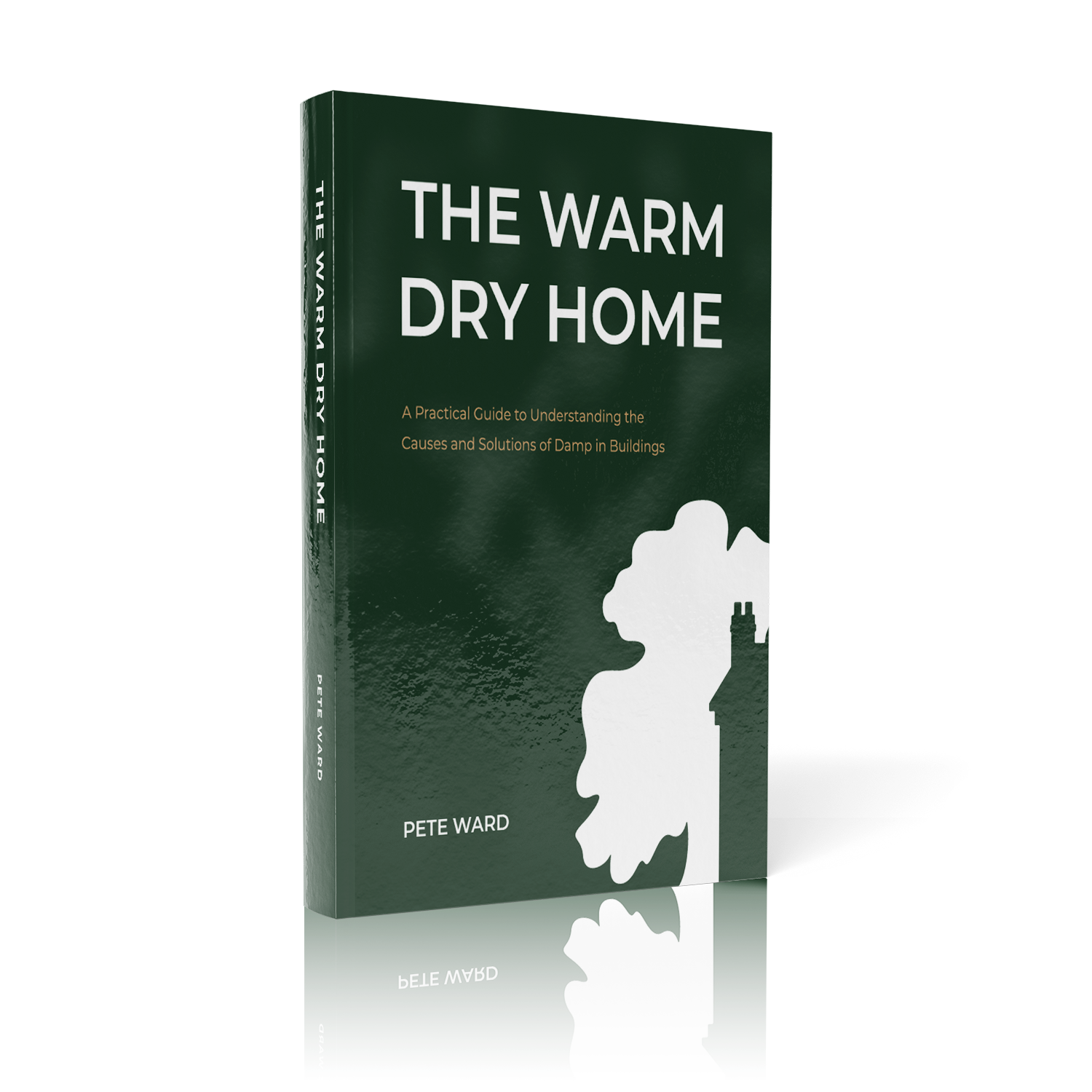
There is also a very good publication that advocates for traditional building methods that we often refer to, it is called “The Warm Dry Home: A Practical Guide to Understanding the Causes and Solutions of Damp in Buildings”, by Pete Ward.
We are familiar with the defects that such older buildings can present. When inspecting older and protected structures in Galway & Mayo, we use the following:
A common sense visual inspection to visually trace and inspect the internal fabric and structural elements for damp and rot.
Distinguish between natural condensation issues from poor detailing versus condensation generated from the user (cooking, drying clothes indoors etc).
We use Infrared Moisture Imaging to inspect the property for dampness.
We also use Telescopic Photography to inspect the roofs and parapets. This is especially useful for inaccessible areas and details that cannot be easily viewed from the ground.
We use our understanding of building science to determine the construction of the property and the elemental details used in its construction. Concrete and Stone have different issues and problems can manifest and be treated in different ways.
Some homes, built around the 1930 - 1950’s in Ireland, can be cast concrete structures and have no cavity wall. In some instances, these can be treated with modern damp solutions, as concrete is a modern material.
So, you can see, there is a very different approach to older homes and it depends on what the main building material is and how it was constructed.

The Crescent, Galway a Protected Structure recently inspected in Galway
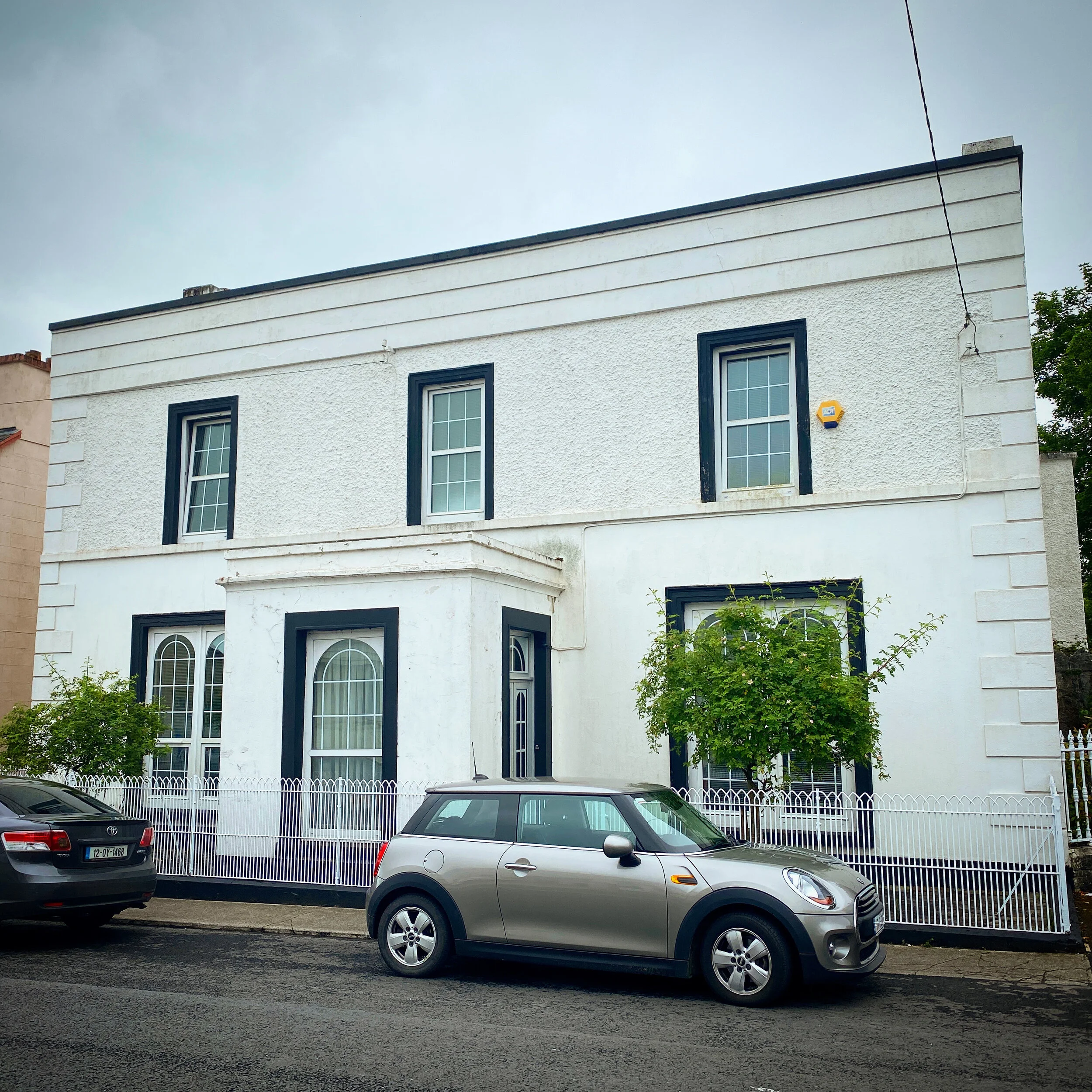
The Hydro in Portumna. An old hotel, converted to a single dwelling.
About Us:
myPropertySurvey.ie is a specialist property surveying service from My Engineer Ltd. If you are buying an older or protected second-hand home we have services for you.
We include comprehensive photographic surveys of the property (c. 160+ images). We give you a shareable link to these images, so you can show your Family & Solicitor. Our reports also include:
Our engineers report is c. 13-16 pages. It is easy to read and jargon free.
We include Infrared Moisture Imaging as standard.
Telescopic Photography for those areas that are difficult to see from the ground.
We undertake a full planning search.
We look at Radon / Flooding / Water / Broadband provision.
Read more about this service here.